
This page contains affiliate links. If you make a purchase through one, we may earn a commission at no extra cost to you.
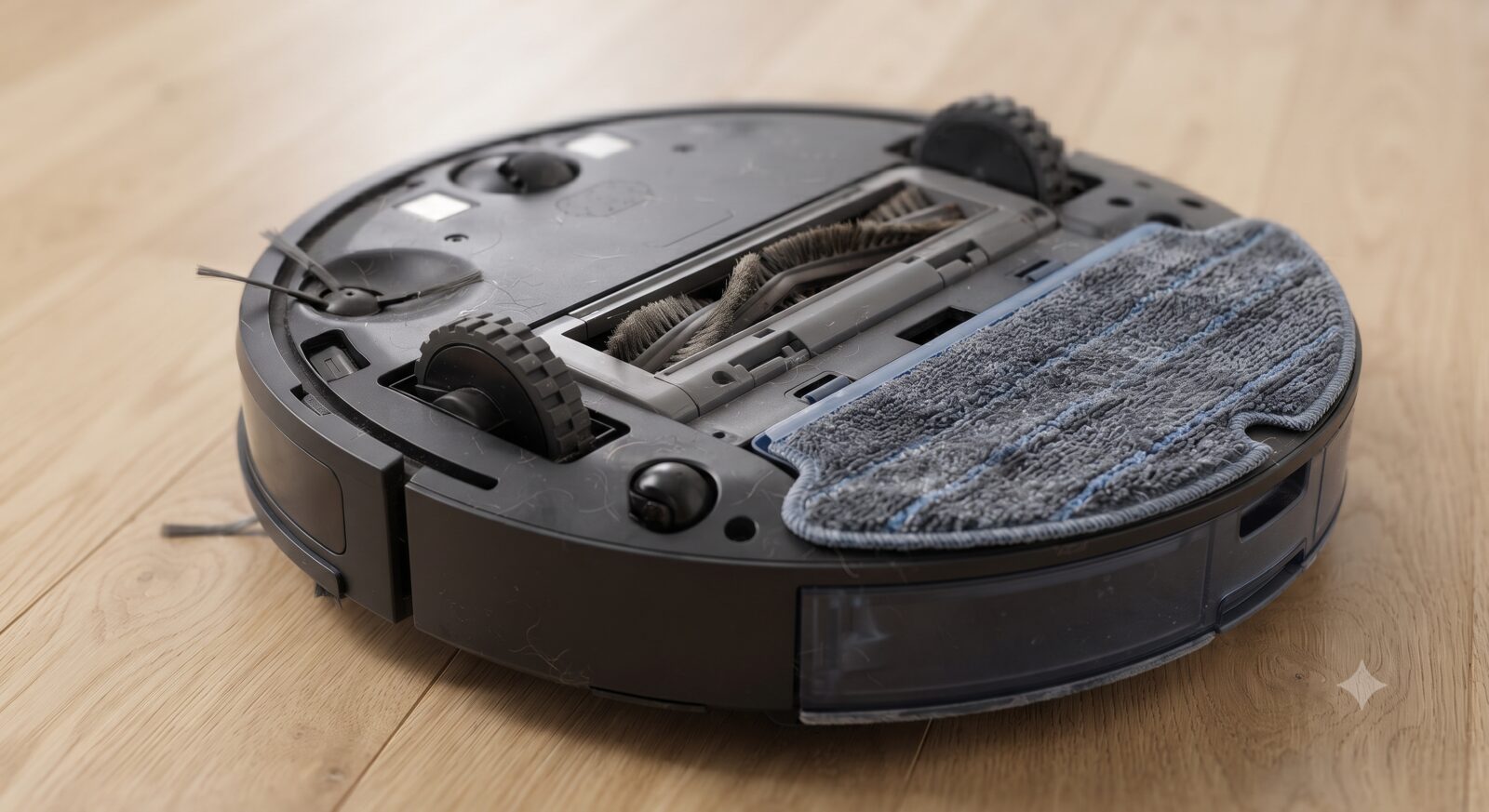
A 2-in-1 robot vacuum and mop can genuinely handle both jobs — but “handle” and “deep clean” aren’t the same standard, and knowing which one you actually need matters before buying.
What They Actually Do Well
Modern combo units handle everyday maintenance cleaning genuinely well — vacuuming up crumbs, hair, and light debris, then following with a damp mop pass that lifts fresh spills and everyday grime on hard flooring. For the routine, “keep the floors from getting gross between real cleanings” job, a good combo unit does both halves of that competently in a single automated pass.
Where They Genuinely Fall Short
- Dried-on or set-in messes. A damp mop pad that a robot drags across the floor once isn’t built for scrubbing — anything that’s had hours to dry and harden generally needs to be pre-loosened manually first.
- Grout lines and heavily textured surfaces. The mop pad glides across a flat plane; it can’t apply the targeted pressure a hand scrub brush can get into grout or deep texture.
- Water tank size limits. A small onboard tank can run dry partway through a large home, while an oversized one risks over-wetting floors if the unit doesn’t meter water carefully — both are real, model-dependent failure points worth checking in reviews before buying.
- Low-clearance furniture. Combo units tend to run slightly taller than vacuum-only models because of the added mopping hardware, which can rule out cleaning under some furniture a vacuum-only unit would fit beneath.
Vacuum-Only vs. Combo vs. Separate Dedicated Machines
For a broader breakdown of robot vacuums against stick and upright vacuums generally, see our robot vs. stick vs. upright comparison. The mop-specific version of that same tradeoff: a combo unit is the right call for routine maintenance across a mostly hard-floor home, while a household that also wants genuine deep-cleaning power on carpet, or scrub-level mopping on tough messes, is usually better served keeping a combo robot for daily upkeep and a separate dedicated vacuum or mop on hand for the harder jobs — not replacing one with the other entirely.
If your home is mostly or entirely hard flooring and the appeal is genuinely hands-off daily maintenance, a current ECOVACS combo model is worth comparing directly against a vacuum-only unit for your specific floor mix.
Can a robot mop replace regular manual mopping entirely?
For routine maintenance on hard floors, often yes. For dried-on stains, grout lines, or a true deep clean, no — those still need a manual pass with a scrub brush or mop on a real schedule, not just the robot’s daily light pass.
Will a robot mop damage hardwood floors?
A well-designed combo unit with proper water metering and a lift-up mop feature when it detects carpet is generally safe on sealed hardwood. Excess water or a unit that doesn’t lift the pad on carpet transitions is the real risk — check reviews for your specific model’s water control before assuming it’s safe.
Do combo units need a different maintenance routine than vacuum-only robots?
Yes — on top of the usual brush and filter care, mop pads need regular washing or replacement, and the water tank needs periodic cleaning to prevent mildew buildup, especially if it sits with standing water between uses.