
This page contains affiliate links. If you make a purchase through one, we may earn a commission at no extra cost to you.
A bad smell from a robot vacuum almost always comes from one of three places: a full dust bin, a damp mop pad left on too long, or a dirty brush roll. None of these mean the robot is broken, they just need a real cleaning.
Empty and Clean the Dust Bin
Dirt, hair, and dust sitting in a closed bin for too long starts to smell, especially if any of it was picked up while slightly damp. Empty the bin regularly, at least once a week, more often if you have pets. If it already smells, empty it completely and wipe the inside with a dry or barely damp cloth, then let it air dry fully before putting it back.
If Your Robot Mops, Check the Mop Pad
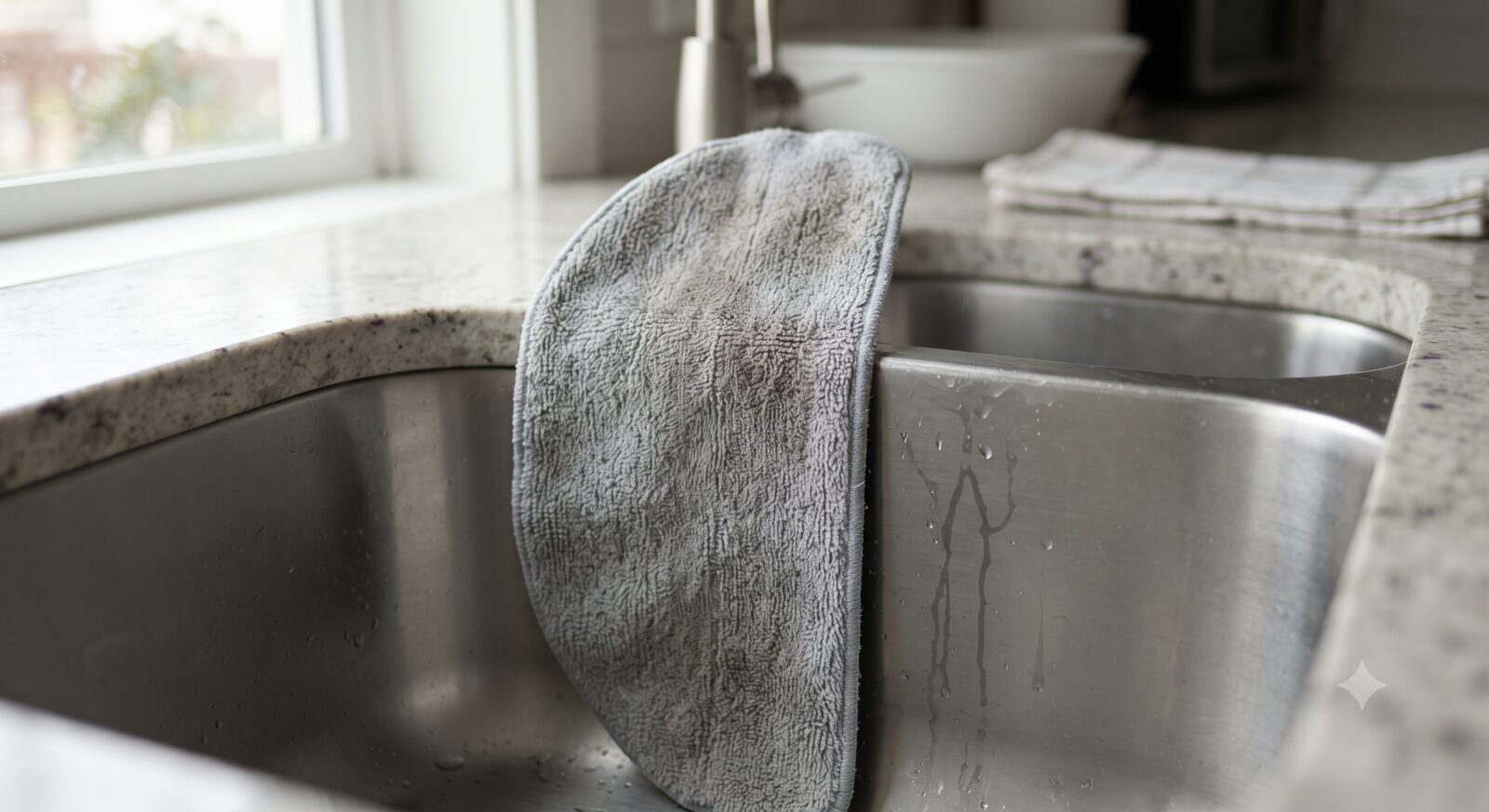
This is one of the most common causes of a musty smell on mopping robots. A wet microfiber pad left attached to the robot, especially sitting against the dock, starts growing mildew within a day or two. Always remove the mop pad right after a cleaning cycle finishes, wash it, and let it fully air dry before the next use or before storing it.
Clean the Brush Roll
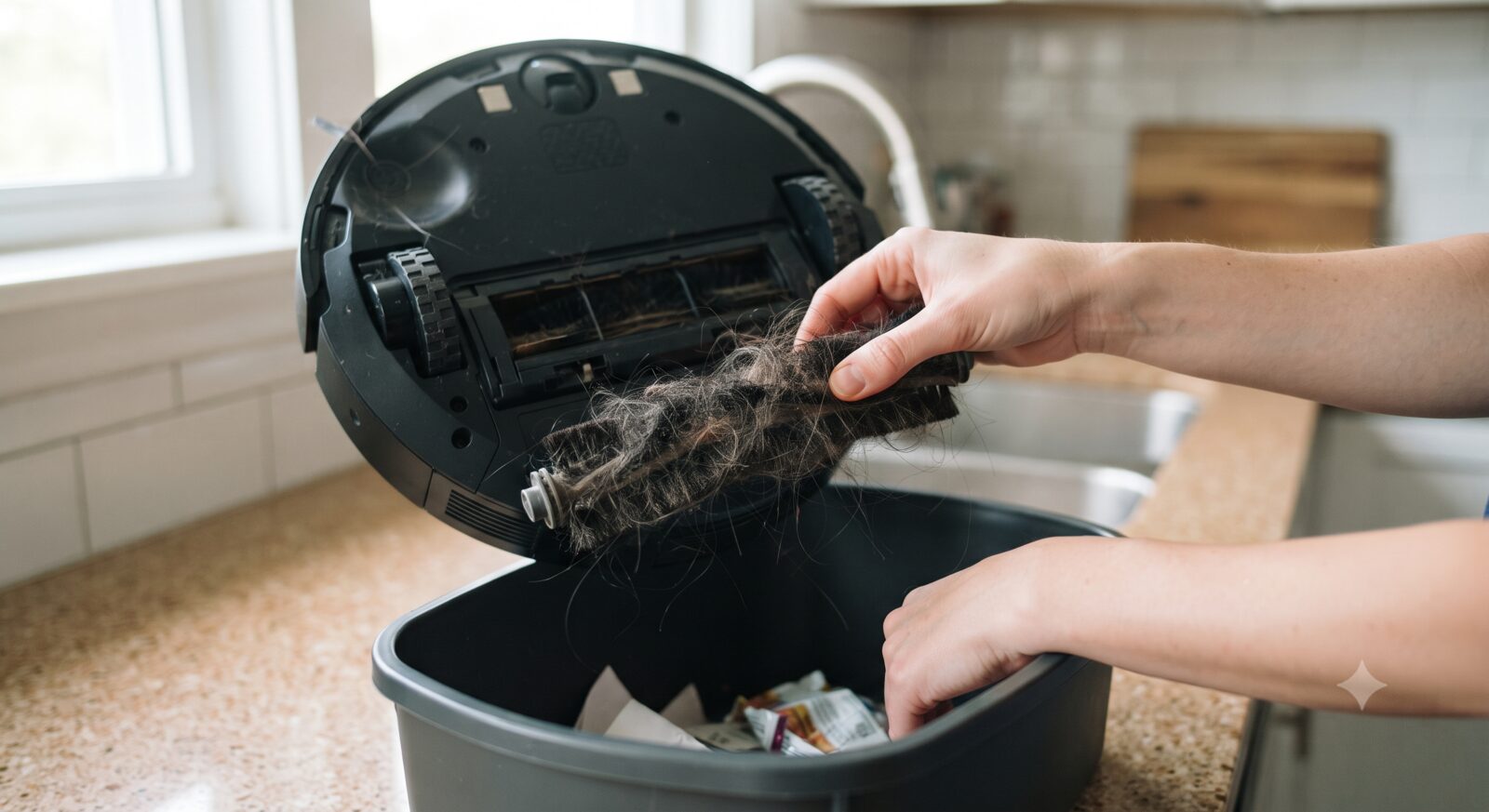
Hair and debris wrapped tightly around the brush roll trap moisture and dirt in a way that’s harder to notice than an obviously full bin. Remove the brush roll according to your model’s instructions, cut away any wrapped hair, and wipe it down before reattaching. This is worth doing every couple of weeks even if there’s no smell yet.
Check the Clean and Dirty Water Tanks
If your robot mops and the smell seems to be coming from the base station itself rather than the robot, the water tanks are the likely source. The dirty water tank collects the mop’s rinse water after each cleaning cycle, and if it sits full for days between cleanings, that standing water grows the same kind of musty smell as a damp mop pad, just out of sight inside the base. Empty the dirty water tank after every cleaning cycle rather than letting it sit until it’s full, and give both tanks an occasional rinse with plain water even when they don’t look dirty, since a thin film can build up on the inside walls without being obviously visible. A current ECOVACS model with a self-wash base handles this automatically, which is worth factoring in if manually managing tanks is the part of ownership you’re most likely to skip.
A Burnt Smell Is Different, and More Serious
A musty or dirty smell is a cleaning issue. A burnt or rubbery smell is not, and usually points to a clogged filter making the motor work harder than it should, or, less commonly, a worn part. If you notice a burnt smell, turn the robot off, check and clean or replace the filter, and don’t run it again until you’ve confirmed the smell is gone.
Wash or Replace Filters on a Schedule
Most filters need washing or replacing every few weeks depending on how often the robot runs. A clogged filter contributes to both bad smells and a burnt motor smell, so keeping this on a regular schedule prevents both problems at once rather than waiting until something smells off.
Compare ECOVACS Deebot models with self-empty and self-wash base stations if you’d rather automate most of this maintenance.
Frequently Asked Questions
How often should I really be cleaning my robot vacuum?
Empty the bin weekly, clean the brush roll every couple of weeks, and check filters roughly monthly, adjusting more frequently if you have pets or heavy foot traffic. A quick weekly check catches most problems before they turn into a smell.
Does a self-emptying base station mean I never have to clean the bin?
No. It empties the robot’s small bin into a larger bag or bin in the base station automatically, but that larger container still needs to be emptied and occasionally wiped out on its own schedule.
Can I use scented products to cover the smell instead?
It’s better to fix the actual cause first. Scented products can mask a smell temporarily, but the underlying moisture, mold, or buildup is still there and will keep getting worse until it’s actually cleaned.