
This page contains affiliate links. If you make a purchase through one, we may earn a commission at no extra cost to you.
If your robot vacuum has fallen down stairs or off a ledge, or you’re worried it will, the cause is almost always a blocked or confused cliff sensor, not a broken one. Here’s how the sensor works and how to fix the most common causes.
How the Cliff Sensor Actually Works
Robot vacuums use small sensors on the bottom of the robot that point light down at the floor. As long as the light bounces back quickly, the robot knows the floor is right there. When the robot reaches the edge of a stair or ledge, there’s no floor close enough to bounce the light back, and the robot stops and turns away. This happens dozens of times a minute during a normal cleaning run.
Clean the Sensors First
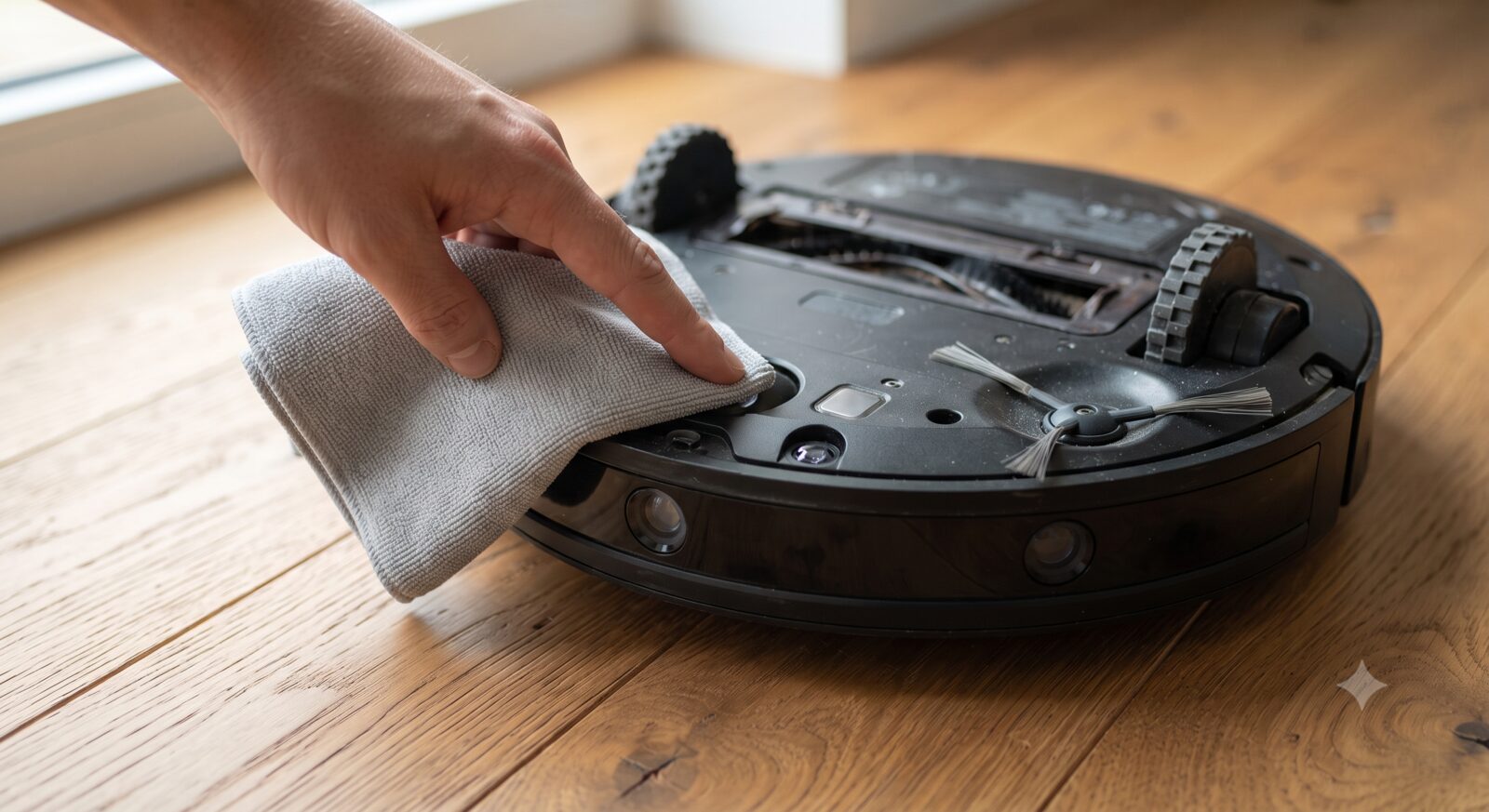
This fixes the problem more often than anything else. Dust, pet hair, or a smudge over a cliff sensor can block it from reading the floor correctly. Flip the robot over and wipe each sensor, usually a few small round lenses on the underside, with a soft, slightly damp cloth. Do this every few weeks as part of regular cleaning, not just when there’s already a problem.
Dark and Shiny Floors Can Confuse the Sensor
This is a real limitation, not a defect. Cliff sensors work by bouncing light off the floor, and very dark surfaces, like a black rug or dark hardwood, absorb light instead of reflecting it back. A shiny, reflective floor can cause the opposite problem, confusing the sensor’s reading. If your robot hesitates, stops, or spins in the same spot near a dark rug or shiny tile, this is very likely why, and it’s not something cleaning the sensor will fully fix.
What Actually Happens if It Falls
A fall down a full flight of stairs is rare precisely because the cliff sensors trigger dozens of times per run without incident — most reported “falls” are actually the robot dropping a single step, off a raised threshold, or tumbling from a low platform like a stair landing, not a full staircase. Check the wheels, bumper, and the underside sensor covers for cracks or looseness after any fall before running it again, since a drop can knock a sensor slightly out of alignment even when the outer shell looks fine. If the same unit keeps taking falls after cleaning the sensors and checking for dark flooring, that’s a stronger signal of a genuine sensor failure than normal wear, and a current ECOVACS Deebot with redundant cliff sensors is worth comparing against an older single-sensor design before assuming yours can be fully trusted again.
Check for a Mapping Error
If your robot has fallen somewhere it’s cleaned safely many times before, a mapping glitch is a likely cause. Open the app and check the saved map for that area. Deleting and rebuilding the map, especially after moving furniture or the charging dock, often resolves this.
If You Have Stairs or a Drop-Off in Your Home
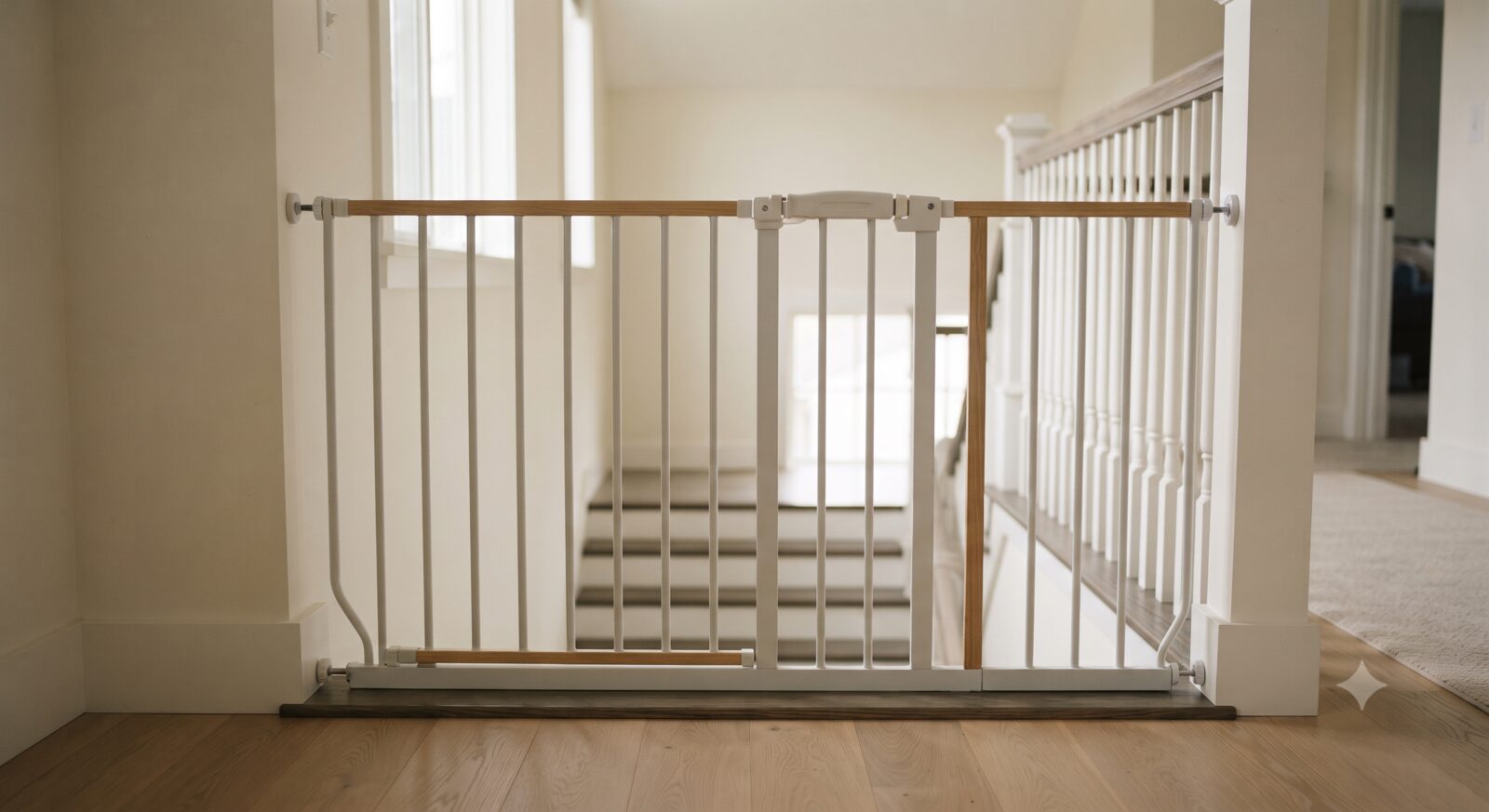
Cliff sensors are reliable in most normal conditions, but they’re not a substitute for physically blocking a stairway if you have one, especially in a home with dark flooring near the edge. A simple pressure-mounted gate, the same kind used for pets or toddlers, removes the risk entirely rather than relying on the sensor alone.
Compare ECOVACS Deebot models if you’re shopping with a multi-level home in mind.
Frequently Asked Questions
Are cliff sensors reliable enough to trust completely?
They’re reliable under normal conditions with clean sensors and typical flooring, but they’re not perfect, especially on very dark or reflective surfaces. Blocking off an actual stairway is still the safest approach if you have one.
Can I turn cliff sensor sensitivity up or down?
Some models allow a sensitivity adjustment in the app for specific rooms or zones. Check your model’s app settings if a particular spot keeps triggering false stops on a floor you know is safe.
Is a robot that keeps stopping near the same spot broken?
Usually not. It’s more often a dirty sensor or a genuinely tricky floor surface at that exact spot. Clean the sensors first, since that resolves the majority of repeated false stops.