
This page contains affiliate links. If you make a purchase through one, we may earn a commission at no extra cost to you.
The Deebot lineup spans budget to premium, and the right pick depends heavily on your floor types and how hands-off you actually want the experience to be. ECOVACS splits the current Deebot range into two tracks — the T-series and the X-series — and understanding which track you’re actually shopping in makes the rest of the decision much easier.
The T-Series: Where Most Buyers Land
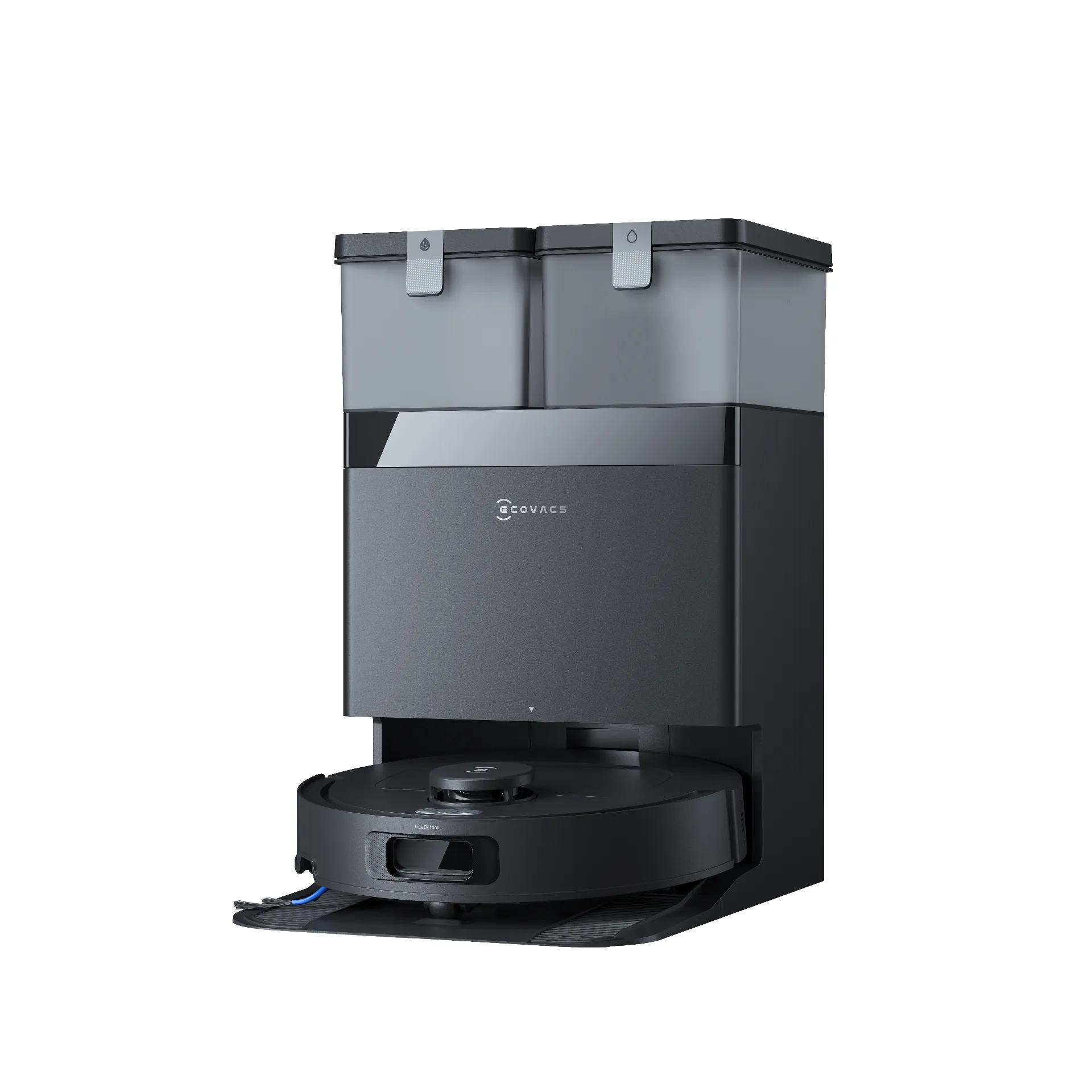
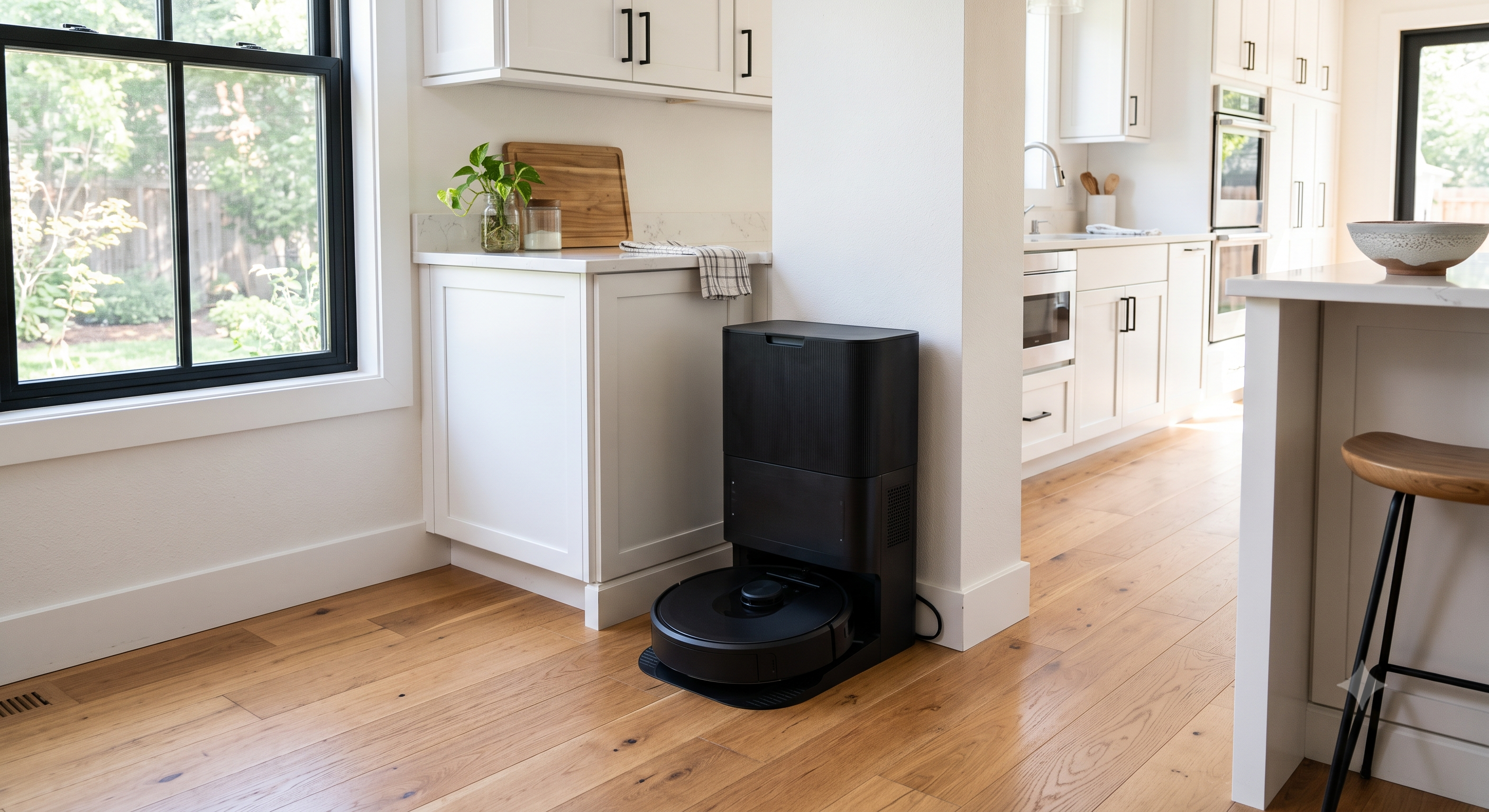
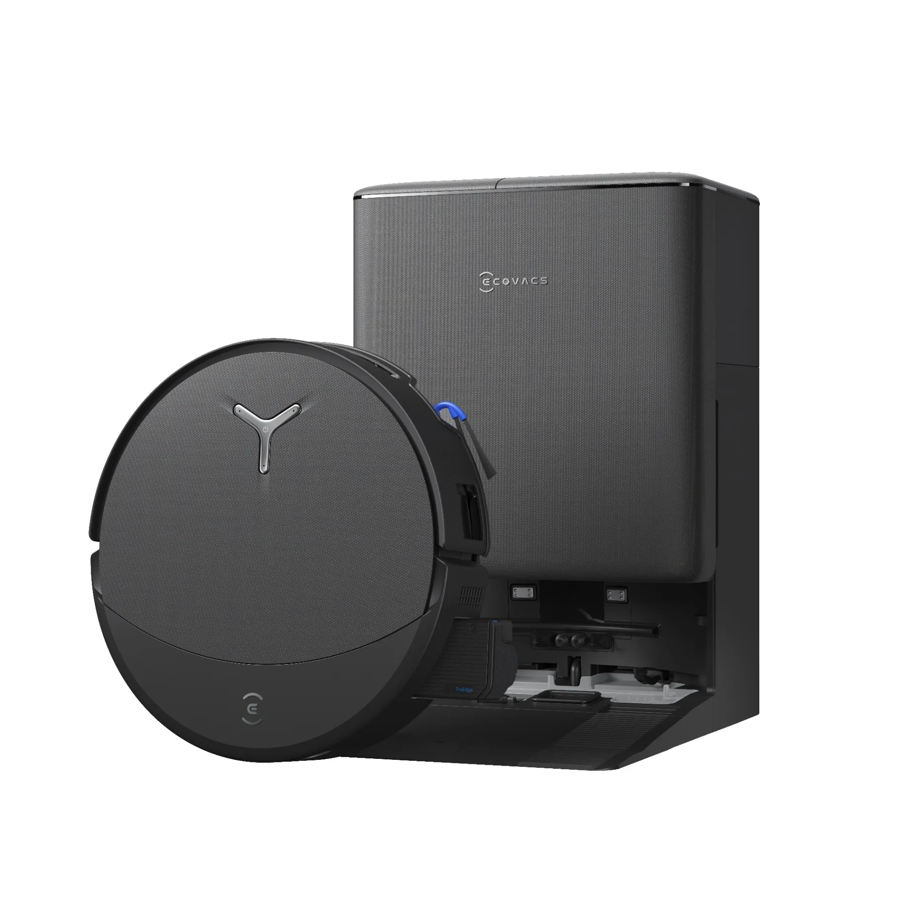
The T-series runs from the T10 up through the T90, with the T50 Max Pro Omni currently ECOVACS’ bestselling model in the range. It pairs strong suction with OZMO Turbo mopping — an oscillating dual-pad mop that actually scrubs the floor instead of just dragging a damp cloth across it — and a full Omni base station that empties the dustbin, washes the mop pads in hot water, dries them with hot air, and refills the clean water tank on its own.
The honest caveat: it’s a genuinely strong mopping machine, especially in corners and along edges, but debris pickup under furniture and low-clearance spots isn’t its strongest suit. If your floors are mostly hard surface and mopping performance matters more to you than vacuuming out every last crumb from under the couch, this is the sweet spot of the whole lineup. If pet hair and carpet are the bigger daily problem, look at suction figures more carefully before assuming a T-series model has you covered.
Within the T-series itself, the tiers aren’t just a marketing ladder. The T80 and T80S sit below the T90/T50 Max Pro Omni on suction and navigation refinement — fine for smaller apartments with simpler floor plans, but they’ll show more hesitation mapping multi-room homes with a lot of furniture. The T90 is ECOVACS’ current “simple by design” pick in the T-series: strong core cleaning without leaning as hard into the mopping-station theatrics of the Omni models, which is worth knowing if what you actually want is a reliable vacuum first and a mop second.
The X-Series: Premium, With Diminishing Returns Past a Point
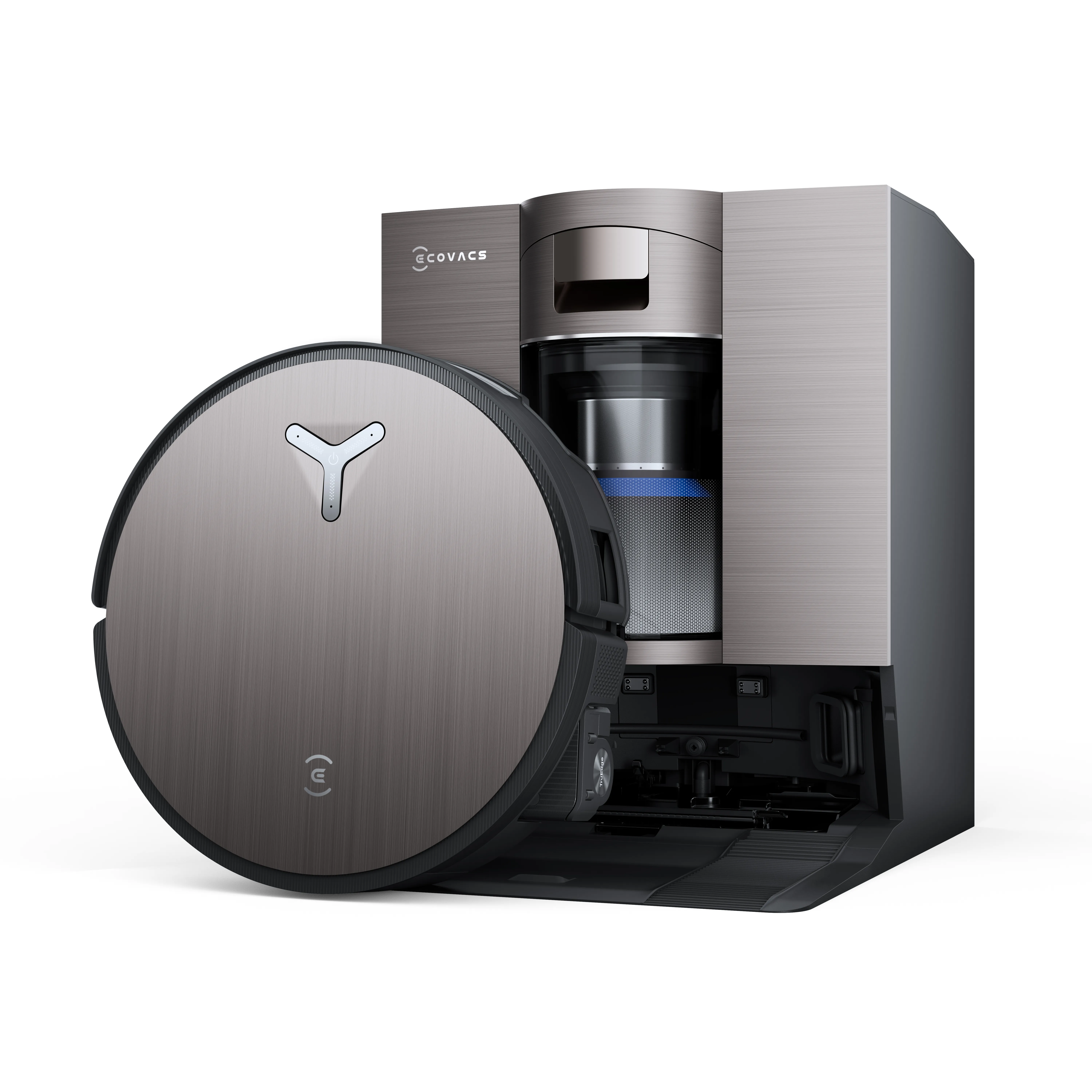
The X-series is ECOVACS’ premium track, and most buyers who go this route end up happiest at the X8 or X9 — not the X11 or X12. The X11 introduces cyclonic suction (using centrifugal force to separate debris from the airstream so suction doesn’t taper off as the bin fills) and a roller-mop design — a cylindrical mopping cloth that self-cleans while it’s still running, instead of a flat pad you swap out. It’s also bagless, which saves the ongoing cost of replacement bags entirely.
Those are real engineering upgrades, not gimmicks. But they push the X11/X12 into luxury-convenience territory rather than meaningfully-better-cleaning territory. Unless the specific roller-mop self-cleaning or cyclonic suction solves a problem you actually have, the X8/X9 gets you the bulk of what the X-series is good at for less money.
The X12 sits above the X11 as the current flagship, adding incremental refinements to the same roller-mop-and-cyclonic formula. If you’re already deciding the X11 is more than you need, the X12 almost certainly is too — it’s aimed at buyers who’ve already ruled out every other tier and specifically want the newest hardware ECOVACS ships, not buyers comparison-shopping on value.
What Consistently Stands Out
- Strong navigation and mapping across the lineup, even at mid-tier T-series price points.
- Combined vacuum-and-mop models that handle hard floors without needing a separate device.
- Self-empty, self-wash base stations on Omni models — genuinely changes the maintenance rhythm from weekly to monthly.
- Bagless cyclonic models (X11 and up) cut out an ongoing consumable cost entirely.
Where to Actually Spend More
The jump from a budget T10-tier model to the T50 Max Pro Omni buys meaningfully better navigation, mopping, and pet-hair handling — that money is well spent for most households. The jump from T-series to X8/X9 buys refinement across the board. The further jump from X8/X9 to X11/X12 mostly buys convenience — self-cleaning roller mops, cyclonic suction, no more bags — rather than dramatically better cleaning itself. Decide which of those you’re actually paying for before chasing the top of the range.
Browse the current ECOVACS Deebot lineup and match the tier to what you actually want automated versus what you don’t mind doing by hand.
How ECOVACS Actually Ranks Against the Competition
ECOVACS is a legitimate, well-regarded brand with a long track record in this category, and the T-series and X-series above are genuinely good products. It’s worth saying plainly, though: independent rankings for “best robot vacuum overall” and “best Roomba alternative” in 2026 generally put Roborock, Dreame, Mova, and Eufy ahead of ECOVACS at the very top of the list, particularly on raw suction figures and top-tier navigation refinement. That’s not a knock on ECOVACS specifically — it’s a genuinely competitive category with several strong brands clustered close together, and ECOVACS sits solidly in that cluster rather than clearly above or below it.
Where ECOVACS tends to hold its own or win outright is value at the mid-tier — the T50 Max Pro Omni’s combination of mopping quality and self-empty/self-wash convenience is priced noticeably below comparable Roborock or Dreame configurations — and in the maturity of its Omni base-station ecosystem, which has had more product generations to get the wash-and-dry cycle right than some newer competitors’ equivalent features. If you’re specifically chasing the single highest suction number on the market, look elsewhere first. If you want a well-rounded, competitively priced machine with a genuinely mature convenience-feature set, ECOVACS earns its place on the shortlist without needing to be oversold as the automatic top pick.
Smart Home Integration and Warranty
Both series work with Alexa and Google Home for basic voice commands (start, stop, and “clean the kitchen”-style room requests once the map is set up), though the deeper scheduling and no-go-zone controls live in the ECOVACS app itself rather than the voice assistant — worth knowing if you were hoping to manage everything by voice alone. Matter/smart-home-hub support has been expanding across newer models but isn’t universal across the full lineup yet, so check the specific model if broader smart-home-ecosystem integration matters to your setup.
Standard warranty coverage runs one year on most models, which is in line with the rest of the category rather than a standout advantage or disadvantage. Registering the unit through the app shortly after purchase is worth doing immediately rather than putting off — it’s what actually starts the warranty clock and gives ECOVACS support a record to work from if you need a repair or replacement part down the line.
The Real Cost of Ownership, Not Just the Sticker Price
A robot vacuum’s real cost doesn’t stop at checkout. Omni-station models on the T-series need periodic replacement of the mop pads and the dustbin bag inside the base (unless you’re on a bagless X-series unit), plus a filter change every few months depending on how much pet hair and dust the household actually produces. None of this is expensive per item, but it’s worth budgeting for rather than being surprised by it a year in — figure on a modest ongoing consumables cost for any Omni-style base, roughly comparable to what you’d spend on vacuum bags for a traditional upright over the same period.
Battery longevity is the other real cost that shows up later rather than at purchase. Robot vacuum batteries are lithium packs that degrade with charge cycles like any other rechargeable battery — expect noticeably shorter runtime after two to three years of daily use. Some models have a user-replaceable battery; others require a service request. If you plan to keep a unit long-term, this is worth checking before you buy, not after the original battery starts giving out.
Setting One Up for the First Time
The first mapping run matters more than people expect. Let the unit complete a full, uninterrupted first pass of your home before you start customizing no-go zones, room labels, or cleaning schedules — interrupting the initial map tends to produce a rougher, less accurate layout that you’ll end up redoing anyway. Clear obvious cable clutter and loose rugs edges before that first run too, since these are the most common causes of a stuck or confused robot on pass one.
Once the map is solid, the app-side setup that actually pays off is room-specific scheduling and no-go zones — not the flashier features. Running the kitchen daily and the bedrooms twice a week, for instance, matches cleaning frequency to actual mess frequency instead of treating the whole home identically. No-go zones around pet bowls, cable clusters, and low furniture prevent the handful of recurring problem spots every home has.
Bottom Line
A genuinely strong option across price points. The T50 Max Pro Omni is the value pick if mopping matters as much as vacuuming to you. The X8/X9 is where the premium track actually pays off. The X11/X12 is for people who’ve decided convenience features — not cleaning power — are what they’re shopping for. See current models and pricing.
One more angle worth considering before buying: check the app’s scheduling and no-go-zone features specifically, not just the hardware specs. A capable robot with a clunky app is a genuinely worse daily experience than a slightly less powerful one with software that actually works well.
Frequently Asked Questions
What’s actually different between the T-series and X-series?
T-series is the value-to-mid-tier track, built around strong mopping and Omni-station convenience at a lower price. X-series is the premium track, adding cyclonic suction and roller-mop self-cleaning at the top end (X11/X12) — real upgrades, but ones that mostly matter if you’ve already ruled out the T-series for a specific reason.
Is the roller-mop system on the X11 worth it over a standard pad mop?
If self-cleaning during operation and never handling a soiled mop pad matters to you, yes. If you’re fine with a base station washing flat pads for you between runs, a T-series Omni model gets you most of the practical benefit for less.
Do I need the mopping feature, or is vacuum-only enough?
Depends entirely on your floor types — households with significant hard flooring get real value from combined vacuum-and-mop models; carpet-heavy homes may not need it at all.
How loud are these during operation?
Comparable to a standard upright vacuum on higher suction settings, quieter on lower settings — most owners schedule cleaning for times they’re not home or not bothered by the noise.
Is the self-emptying base worth the extra cost?
For households that would otherwise forget to empty the bin regularly, yes — it genuinely changes the maintenance rhythm from a weekly chore to a monthly one.
How often do I actually need to replace parts like filters and mop pads?
Filters typically want replacing every two to three months in an average household, sooner with heavy pet hair. Mop pads on flat-pad systems hold up well since the base station washes them, but expect to eventually replace them as the material wears. None of this is expensive individually — it’s just worth planning for as an ongoing small cost rather than a one-time purchase.