
This page contains affiliate links. If you make a purchase through one, we may earn a commission at no extra cost to you.
Pet hair is a genuinely different cleaning problem than everyday dust — it tangles brushes, clogs filters faster, and exposes the difference between a robot vacuum built for it and one that just tolerates it.
What Actually Matters for Pet Hair Specifically
- Brush design. Tangle-resistant or brushless designs avoid the hair-wrapped-around-the-roller problem that plagues cheaper models within weeks.
- Suction power tuned for embedded hair in carpet, not just surface dust on hard floors.
- Filtration that traps pet dander along with hair, which matters for allergy-prone households as much as the hair itself.
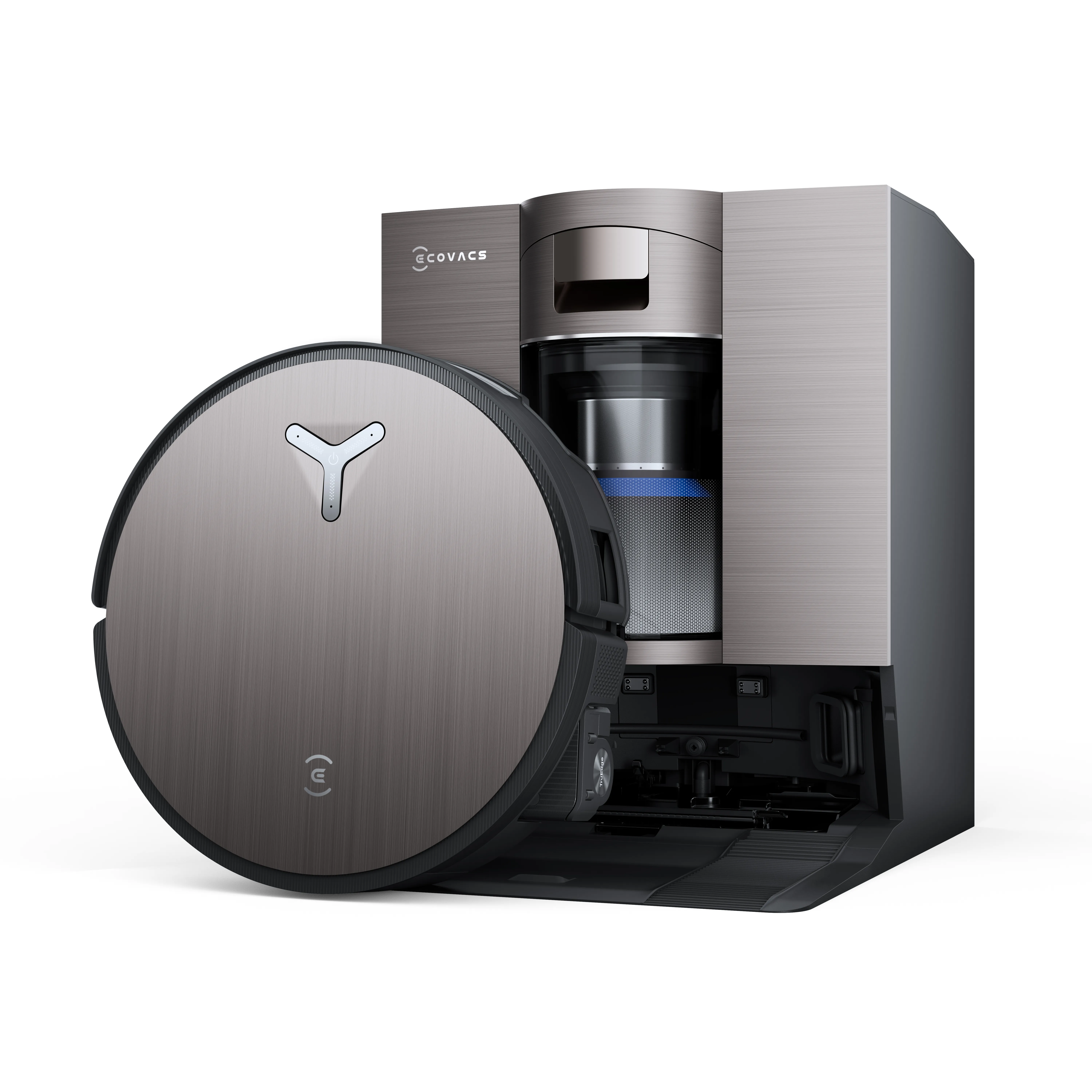
- Larger dustbins or self-emptying bases — pet hair fills a bin faster than you’d expect from dust alone, and a self-empty Omni-style base changes emptying from a daily chore to a monthly one.
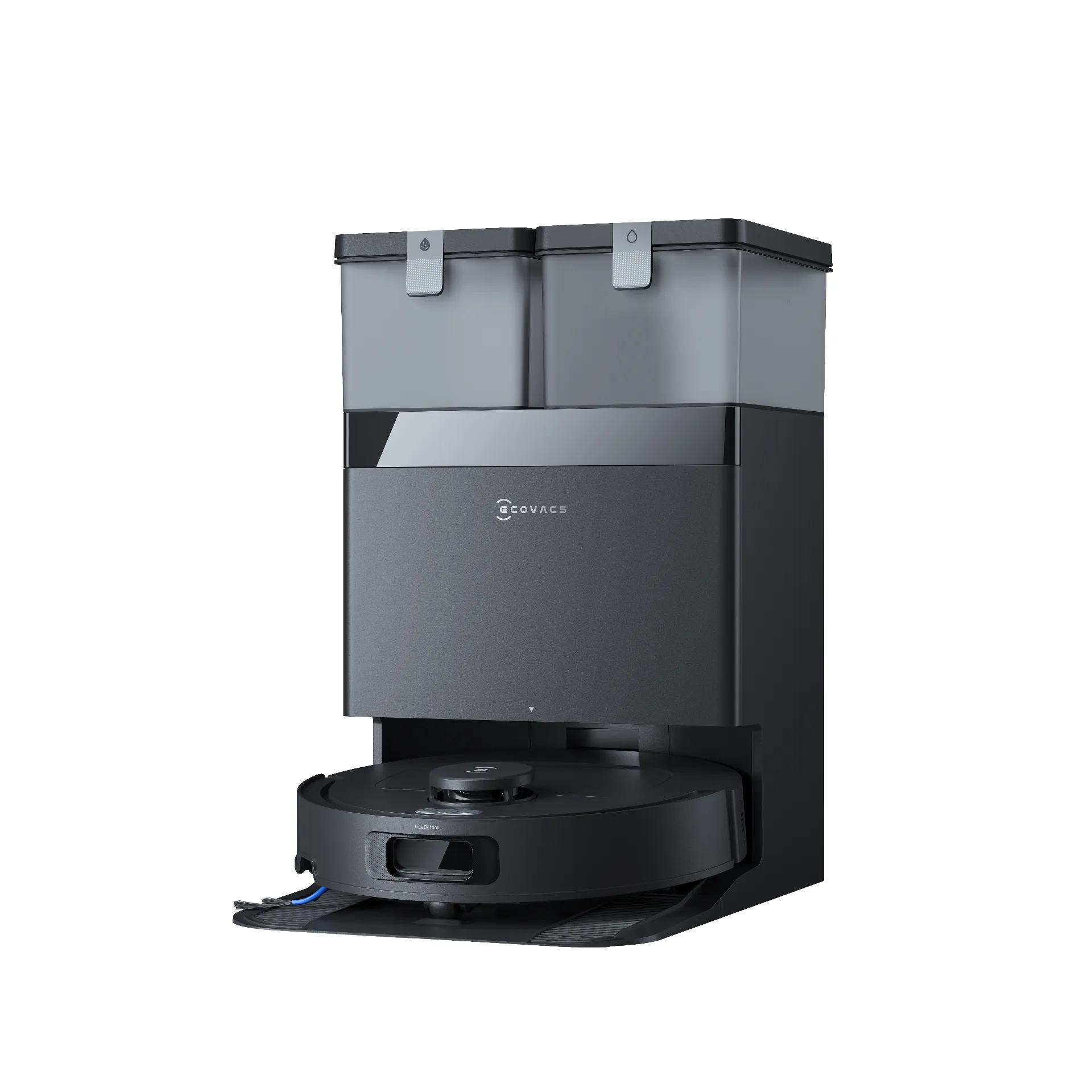
ECOVACS Deebot models are specifically built around this problem. The T50 Max Pro Omni pairs strong suction with a self-washing Omni base, though it’s honestly better at mopping than at pulling debris from tight spots like under furniture — worth knowing before you buy on the mopping features alone. Stepping up to the X8 or X9 buys more consistent pickup across the board without chasing the X11’s roller-mop and cyclonic suction, which are genuinely nice but aimed more at convenience than raw pet-hair performance.
Why Pet Hair Is Actually Harder to Vacuum Than Dust
Pet hair isn’t just “more debris” — it behaves differently from ordinary dust in ways that explain why a robot vacuum that handles dust fine can still struggle specifically with hair. Fine, short hair builds up a static charge as it sheds and settles, which makes individual strands cling to carpet fibers rather than sitting loose on the surface the way dust does. A weaker vacuum’s airflow can move air past the hair without actually breaking that static grip, so the hair drags along the carpet surface as the robot passes instead of lifting into the airstream — you’ll see this as visible hair still on the carpet immediately behind the robot, even though the bin shows debris was picked up elsewhere.
This is specifically a carpet problem more than a hard-floor one, since carpet fiber gives static-charged hair something to cling to that a smooth floor doesn’t. It’s also why suction figures alone don’t fully predict pet-hair performance — the brush roll’s ability to physically agitate and lift the hair off the fiber before the airflow ever has to move it matters as much as raw suction wattage.
Turbo Modes and Dual-Brush Design: The Real Differentiators
Two specs matter more than the headline suction number for pet hair specifically, and both get less marketing attention than they deserve. A turbo or “max” suction mode that automatically triggers on carpet (rather than requiring you to manually select it) directly addresses the static-drag problem above by adding the extra airflow exactly where hair actually resists being lifted — models that only offer a single suction level across all floor types tend to underperform on carpet specifically, even with a respectable base suction figure.
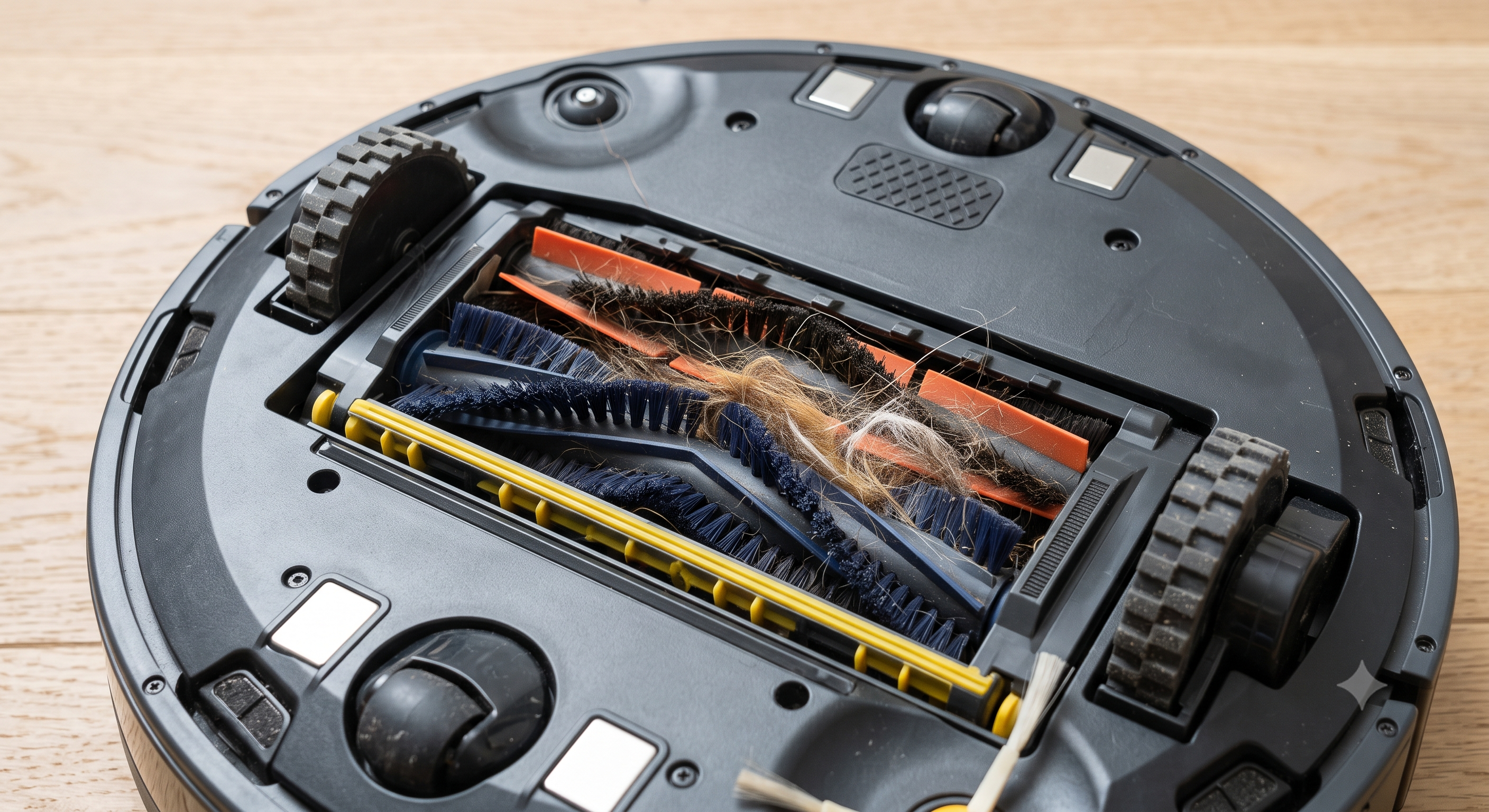
Dual-brush designs — two counter-rotating rollers instead of one — physically comb hair from both directions before it has a chance to wrap around either roller, which is a meaningfully different approach from a single tangle-resistant roller that still relies on one rotation direction. In real-world use, dual-brush systems tend to go noticeably longer between manual detangling sessions in heavy-shedding households, though “longer” still means weeks, not months — no brush design eliminates the maintenance routine described above entirely. A current ECOVACS Deebot with auto-carpet-boost and a dual-brush or anti-tangle roller combination is specifically built around solving both halves of this problem together, rather than relying on suction power alone.
Hard Floors Have a Different Pet-Hair Problem, Not a Smaller One
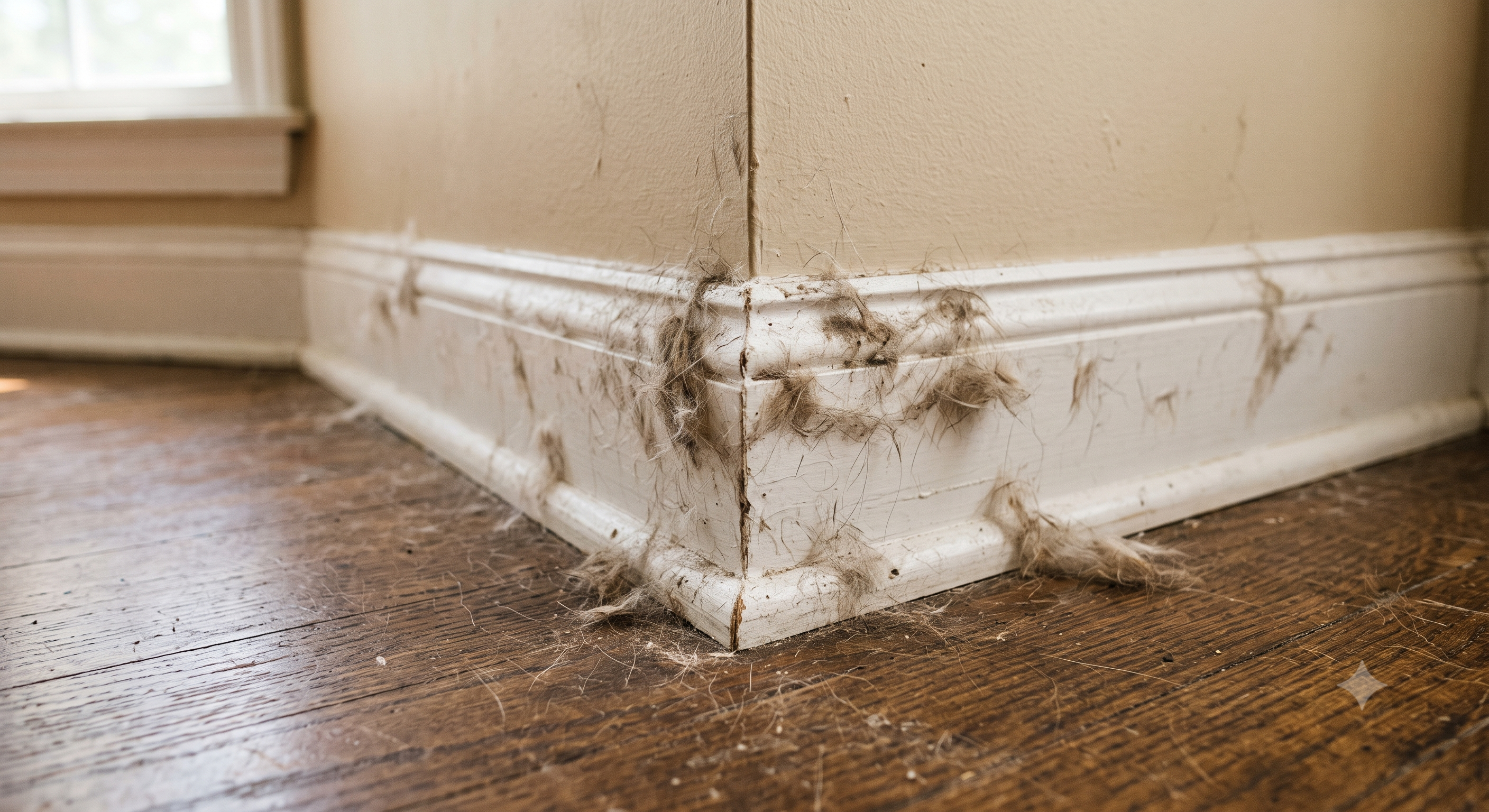
It’s a common assumption that hard flooring is the “easy” surface for pet hair since there’s no fiber to grip. In practice, the same static charge that makes hair cling to carpet fibers makes it cling to baseboards, furniture legs, and room corners on hard floors instead — rather than sitting loosely in the open where a robot’s main brush easily reaches it, hair tends to accumulate in exactly the edge and corner spots that are hardest for a round-bodied robot to physically reach. This is a genuinely different failure mode from the carpet-drag problem above, and it’s why edge-cleaning brush design (a side brush that actively sweeps debris out from corners into the main brush’s path) matters as much on hard floors as suction does on carpet.
A quick way to check which problem you actually have: run a manual vacuum along your baseboards after your robot’s regular cycle has already run. If you pull up a meaningful amount of hair right along the edges, that’s the corner-clinging problem, and the fix is prioritizing a model’s edge-cleaning and corner-detection specs over its raw suction figure — the suction number was never the bottleneck in that specific spot.
Why Multi-Pet and Multi-Story Homes Change the Math
A single cat in a one-story apartment and three dogs across two floors are not the same cleaning problem, even if both households technically “have pets.” More animals means more shedding volume per day, which shortens the realistic interval between bin empties regardless of what the bin-capacity spec promises. Multiple floors mean either running separate units per level or accepting that one robot can’t cover everything without manual carrying between floors — something worth deciding on before buying rather than after.
Shedding season matters too, and it’s not evenly distributed across the year for most breeds. A setup that comfortably keeps up in winter can fall behind during a heavy spring shed — this is where a self-empty base earns its cost most clearly, since it absorbs the seasonal spike without you needing to manually empty a bin twice a day for a few weeks.
The Brush Maintenance Routine That Actually Works
Even the best anti-tangle brush design benefits from a short, regular maintenance habit rather than waiting until performance visibly drops. Pull hair off the brush ends weekly in a heavy-shedding household — it takes under a minute and prevents the buildup that eventually restricts brush rotation entirely. Check the brush bearings monthly for wound-in hair that’s worked its way past the brush itself, since this is the failure point that actually causes brushes to stop spinning, not the visible hair on the bristles.
Filters deserve the same regular attention. Pet dander clogs a filter faster than plain dust does, and a partially clogged filter quietly reduces suction well before it looks obviously dirty. Rinsing or replacing on a schedule — rather than waiting for a visible performance drop — keeps suction consistent instead of slowly degrading between servicing.
Bottom Line
If pet hair is your actual daily battle, don’t buy a generic budget robot vacuum and hope — the tangle and clog problems compound fast. See current ECOVACS Deebot models built specifically for this.
One more thing worth checking specifically: the brush maintenance requirement itself. Even the best pet-hair-tuned brush designs need occasional manual detangling — the difference with a good model is how infrequently, and how easily, that maintenance actually is.
Long-Haired vs. Short-Haired Breeds Change What You Need
Short, fine hair (many cats, short-haired dog breeds) tends to work into carpet fibers and upholstery rather than sitting on the surface, which favors strong suction over brush design specifically — the hair needs to be pulled out of the fiber, not just swept off the surface. Long hair (many double-coated or long-haired dog breeds) is more prone to wrapping around a spinning brush roller, which is exactly where anti-tangle or brushless designs earn their keep. If you’re not sure which problem you actually have, watch what a manual vacuum’s brush looks like after a session — wrapped-around hair means prioritize brush design; a full canister with little on the brush means prioritize suction.
Shedding volume also varies enormously by breed and season, not just by “has pets or doesn’t.” A household with a single low-shedding breed may do fine with a mid-tier model’s standard bin capacity; a household with multiple heavy-shedding double-coated dogs will hit that same bin’s capacity far faster and should weight the self-empty base feature much higher in the buying decision than the raw suction number.
Allergies Add a Second Consideration Beyond Visible Hair
Pet dander — the microscopic skin flakes that trigger most pet allergies — is a separate problem from visible shed hair, and not every “pet hair” robot vacuum handles both equally well. Sealed filtration systems that trap fine particulate rather than just recirculating it back into the air matter more for allergy-prone households than the headline suction figure. If allergies are a real factor in your home, prioritize a model’s filtration rating specifically, not just its pet-hair marketing claims.
Frequently Asked Questions
Do robot vacuums work well on both carpet and hard floors with pet hair?
Good pet-hair-tuned models handle both, though the suction and brush settings that work best on carpet differ from hard floors — many models auto-adjust between surface types as they move.
How often do I need to empty the dustbin with pets in the house?
More often than a pet-free household, sometimes daily for heavy shedding breeds — this is exactly why self-emptying Omni-style base options are worth considering for multi-pet homes.
Will a robot vacuum scare my pets?
Most pets adjust within the first week or two. Introducing it gradually, running it while you’re home initially, tends to ease the adjustment for anxious pets.
Is a more expensive model always better for pet hair specifically?
Not necessarily. A mid-tier model with strong suction and a genuinely tangle-resistant brush often out-performs a premium model whose extra cost went toward mopping refinements rather than raw pickup power. Match the spec to the actual problem, not the price tag.
What about litter tracking specifically, not just shed hair?
Litter granules are heavier and more abrasive than hair, and tend to scatter rather than clump the way hair does. A model with strong edge-cleaning performance around the litter box area matters as much here as raw suction — scheduling a pass near the box shortly after typical use times helps more than just running the full-home cycle once a day.
Can a robot vacuum actually replace a dedicated pet-hair upright?
For daily maintenance between deeper cleans, yes — a well-matched robot handles the constant low-level shedding that would otherwise accumulate all week. It’s not a full replacement for an occasional deep clean with a dedicated upright, especially on thick carpet or after a heavy shedding week, since a corded upright’s motor and brush can apply more sustained force than a battery-powered robot’s compact motor ever will. Think of the robot as handling the daily maintenance load so the upright’s job becomes occasional deep-cleaning instead of constant upkeep.