
A tag scratching the back of the neck all day, a seam pressing along the ribs, an elastic waistband that never quite stops being noticeable, a fabric that feels fine in the store but wrong within the hour — most people register sensations like these as minor annoyances and forget them within minutes of putting a garment on. For a real, significant number of people, the same sensations don’t fade into the background; they stay present and distracting for as long as the garment is worn, which changes what “comfortable clothing” actually needs to mean.
Why Tags and Seams Affect Some People So Differently
Sensory processing differences — common among neurodivergent people, including autistic people and those with ADHD or sensory processing disorder, but genuinely not exclusive to any one diagnosis — mean some nervous systems don’t filter out low-level, constant tactile input the way most people’s do automatically. A tag or a seam that most people stop noticing within seconds keeps registering as an active irritant for someone whose sensory filtering works differently, all day, every time it’s worn. This isn’t a preference or a sensitivity being exaggerated; it’s a genuine difference in how the nervous system processes ongoing physical sensation, and it’s exactly why “just get used to it” doesn’t work as advice the way it might for a minor, fading annoyance.
What Tagless Actually Solves
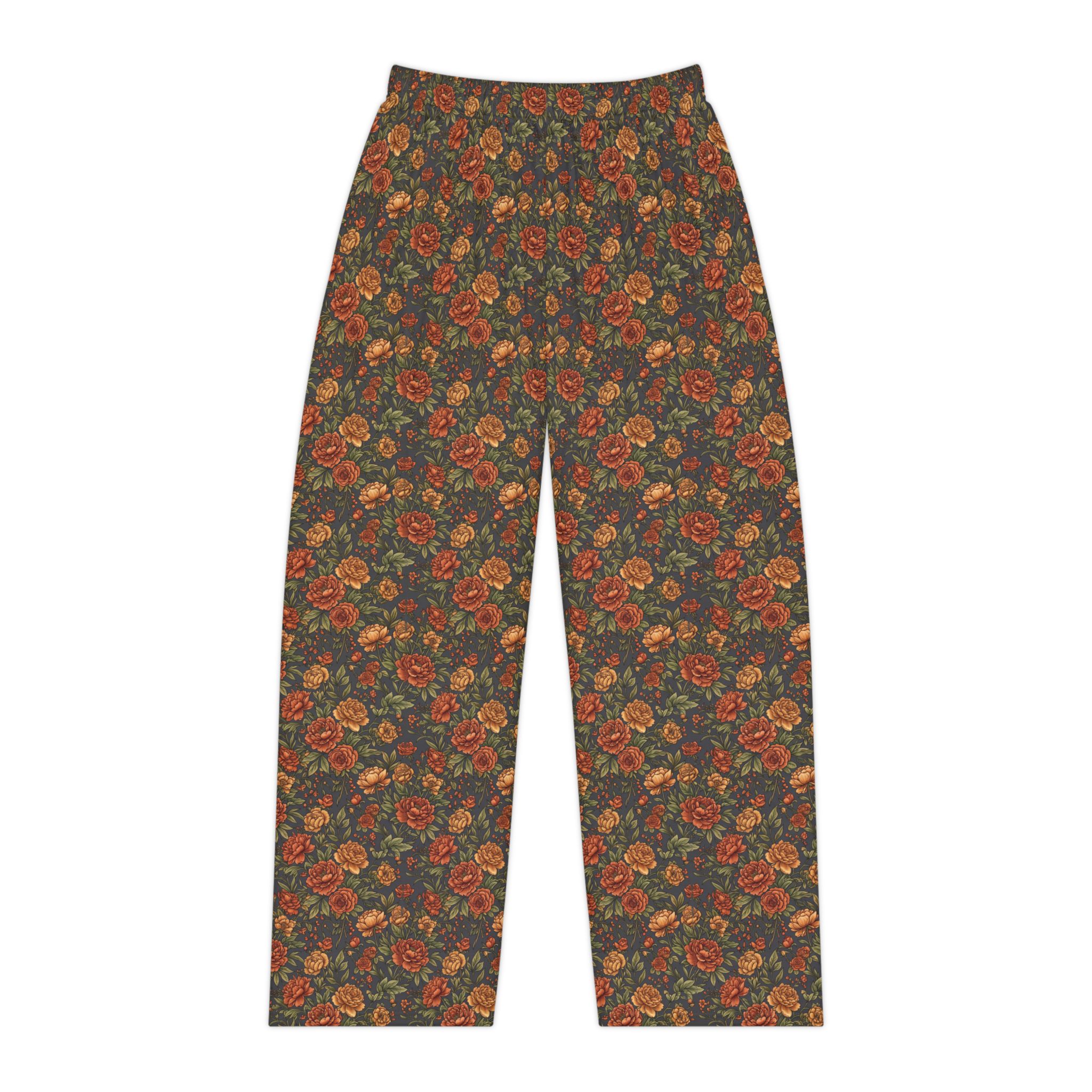
Printing garment information directly onto the fabric instead of sewing in a separate tag removes the single most commonly cited irritant in sensory-related clothing complaints — a small thing on paper, but the tag sitting at the back of the neck is in near-constant contact with skin and impossible to ignore once it’s bothering someone. It’s a low-cost, high-impact fix precisely because it’s removing a specific, identifiable problem rather than attempting a vaguer “softer overall” improvement.
What Seamless Construction Actually Solves
Traditional garment construction relies on seams to join fabric pieces together, and every seam creates a ridge that sits against skin differently than the surrounding fabric — a friction point most people never register, but one that adds up to real, distracting sensory input for someone with heightened tactile sensitivity, especially along seams that run across a major point of contact like the side of the torso or the inside of an arm. Seamless knit construction — the garment built as one continuous piece rather than sewn from cut pieces — removes those ridges entirely, which is a meaningfully different experience than “soft fabric with normal seams,” not just a marginal upgrade on the same basic construction.
Fabric Choice Matters Independently of Tags and Seams
Even with tags and seams solved, fabric texture itself is a separate variable. Organic cotton, bamboo, and modal blends are the most consistently recommended options specifically because they combine genuine softness with breathability, rather than a fabric that’s soft in a showroom but stiffens, pills, or turns scratchy after a few washes. A fabric that starts soft and degrades quickly creates a worse problem than one that’s moderately soft and stays consistent, since sensory-sensitive users are relying on that consistency more than most people ever think to.
Waistbands and Cuffs Deserve the Same Scrutiny
A soft top paired with a stiff, tight elastic waistband or cuff doesn’t solve the underlying problem — it just relocates it. Wide, soft, low-compression waistbands and cuffs matter as much as the main body fabric, since a band that’s constantly gripping skin is its own constant sensory input regardless of how soft everything above and below it is. This is the same underlying logic that applies to postpartum and recovery clothing on this site, just triggered by a different cause — a body that needs the waistband itself to not be actively working against it, not just soft fabric elsewhere on the garment.
A Meltdown or Shutdown Isn’t Always About the Moment It Happens In
Sensory input adds up across a day rather than resetting between triggers, which means an uncomfortable garment worn since morning can be part of why a completely unrelated stressor that afternoon feels unmanageable rather than merely annoying. This is a genuinely underappreciated mechanism: the clothing itself isn’t the visible trigger for a difficult moment, but it’s been quietly draining tolerance all day, lowering the threshold for whatever does eventually tip things over. Removing one constant, low-grade source of irritation doesn’t eliminate stress, but it does raise the baseline capacity to handle everything else the day brings, which is a real, measurable effect even though it’s hard to point to directly in the moment.
Layering and Texture-Mixing Cause Their Own Problems
Two individually comfortable fabrics can create a genuinely uncomfortable experience when layered together — a soft top over a stiffer bottom, or a smooth fabric rubbing against a textured one at the waist where they meet, creates a friction point neither piece has on its own. This is worth deliberately checking for when building an outfit from separate pieces, rather than assuming that because both items are individually described as “soft” or “sensory-friendly,” they’ll necessarily work well together. A single garment or a coordinated set, built to be worn together from the start, sidesteps this problem in a way that mixing individually-comfortable separates doesn’t always manage to.
This Isn’t Only a Kids’ Clothing Category
Most sensory-friendly clothing marketing targets children specifically, which leaves a real, underserved gap for adults with the exact same needs — sensory processing differences don’t resolve with age, even though the clothing industry has mostly built around the assumption that they’re a childhood-specific concern. An adult who’s spent years quietly avoiding certain fabrics, cutting out tags themselves, or sizing up specifically to reduce how much fabric contacts skin has usually been solving this problem informally without ever seeing it named or addressed directly by a product built for exactly this need.
Beyond Touch: Reduced Distraction, Not Just Comfort
The real benefit of getting this right goes past comfort in the usual sense — clothing that isn’t constantly sending low-level irritation signals frees up genuine attention and reduces baseline stress throughout a day, in a way that’s easy to underestimate until it’s actually removed. For someone managing sensory sensitivity, that’s not a minor nice-to-have; it’s the difference between clothing being a constant, quiet background drain on focus and energy, or a non-issue that simply isn’t part of the day’s mental load at all.
What to Actually Check Before Buying
Product descriptions don’t always volunteer the details that actually matter here, so it’s worth checking specifically rather than assuming “soft” in a listing covers everything. Confirm whether tags are printed rather than sewn in, whether the construction is genuinely seamless or just described as soft with regular seams, what the fiber content actually is (a cotton-poly blend behaves very differently from 100% organic cotton or modal, even when both are marketed as “soft”), and whether the waistband is a wide, low-compression band or a standard elastic that just happens to be covered in soft fabric. These details rarely show up in a product photo, which is exactly why they need to be checked directly rather than assumed from how a listing reads at a glance.
A Small Rotation Beats a Large Wardrobe of Guesses
Once a fabric, cut, and construction genuinely work for someone with sensory sensitivity, the more reliable approach is buying multiples of that exact item rather than continuing to experiment across a wide range of options hoping to find something even better. A known-good piece worn in steady rotation, replaced with the exact same item once it wears out rather than swapped for something new and untested, removes the real risk of a new purchase turning out to have some small, unexpected irritant — a slightly different seam placement, a stiffer batch of the “same” fabric — that isn’t apparent until it’s already been worn and the discomfort has already happened. This runs counter to how most people shop for clothing, but it’s a genuinely more reliable strategy for anyone whose comfort tolerance is narrow enough that a single wrong guess has a real cost.
Wellrested’s loungewear is built soft, tagless where it matters most, and loose through every seam and waistband — designed around actually being worn all day without becoming something to think about.
None of this requires a diagnosis or a specific label to matter. Plenty of people who’d never describe themselves as sensory-sensitive still gravitate toward the same soft, tagless, low-seam pieces once they try them, simply because they’re objectively more comfortable for pretty much anyone who tries them, full stop, sensory sensitivity or not — the difference is that for most people it’s a mild preference, and for others it’s the difference between a garment being wearable at all and not. Either way, none of the features described here come at a cost to anyone who doesn’t strictly need them, which is part of why sensory-friendly design tends to work well as a default rather than a specialized niche category reserved for a smaller subset of buyers.